Ahref Magazine
Circa 2013
Iulian Grigorescu was the founder of Ahref Magazine. However when this domain's registration expired the site disappeared from the web. The new owners of the domain have chosen to repost some of the original content since Wordpress is not going away. True, over the years Wordpress has evolved. However from a historical perspective this archived content about Wordpress is fascinating
Thanks, Iulian Grigorescu for all the work you put into the original site. Very impressive.
Content is from the site's 2013 archived pages.
UserSpeak: Jano
This is a great place to learn about Wordpress - lots of useful tips, links, news, templates, themes, etc. Wordpress has made it possible for anyone to have a website and my story is that I used it to win kudos from my boss who needed some employees quickly to help clean up after a public event. He gave me a small Adwords budget and I quickly set up the website and got it live. We wanted local people only, so we restricted the ads to run in a 10 mile radius of town. The site was one page and focused on part time, short term cleaning jobs - my boss was acting as a subcontractor for a large cleaning services company that got overbooked. We bid about $1 per click and got a team together in less than a week. That is real success!
Ahrefmag Editorial
We all know that success in Google is the key to a thriving website, and the opposite is also true. We learned first hand about what happens when Google penalizes your site. In case you didn't realize it, the Google penalty is very real, especially when Google determines that your site is in violation of their best practice guidelines. Bob Sakayama, the acknowledged penalty expert told us that it's almost always an SEO who triggers the suppression due to ignorance. It could be the result of an over eager SEO who slams your content with keywords - keyword stuffing. Or a link builder who saw some success and then amped up the links to such a degree that your link profile appears unnatural. Very early on, our site lost all it's ranks, even for our trademark. After a month of panicking we finally found Bob, and after reading his site, Google-Penalty.com we hired him to fix our catastrophic rank losses. He discovered that our coders created an application that was supposed to improve search performance by generating new urls, but ended up creating a massive redundancy. He recovered our ranks by disabling it.
Feature Articles
Review: iKnowledge – Knowledge Base and Wiki WordPress Theme
Ahrefmag Editorial
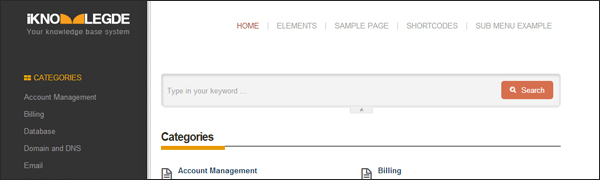
Did you know that it is possible to set up a Wiki style website with WordPress? The Wiki publishing concept was invented by Ward Cunningham and have become popular for information management, note taking, intranets, and documentation. The best know wiki site is Wikipedia and it is one of the most visited websites in the world.
More and more people use the internet to search for information they need and expect to find solutions instantly. While it is common for people to follow blogs that cover their interests and problem areas, I would say that a well-organized and maintained Wiki site often is worth a visit. As an example it is common for popular games to have large Wiki sites that document game tactics and basic guidelines. Wiki sites typically provide entries with great detailed that authors have backed up by relevant sources. Moreover, information in Wiki sites are classified into categories making it easy for users to scan and search some terms, which are related to their needs. In this review, I will take a closer look at iKnowledge – Knowledge Base, which is a cool Wiki WordPress Theme: the theme you will need for building your own wiki site on WordPress.
Storing up a knowledge database for quick information search is very essential for running a business. FAQs, Procedures and Help Guides are usually the most commonly sought after topics in company knowledge databases. Wiki style websites serve as a great solution for managing complex information within a company or department.
iKnowledge Theme has a clean and simple design and it does not add much fuss to distracting users and it clearly seeks to highlight your content. It has four color styles to choose from and it comes with two additional custom page templates you can use: full width and archives page. Getting content feedback is easy with its build rating system. Being Further, it comes with a post view counter to help track your article views on site. Homepage is fully widgetized meaning you can customize the page layout from the WordPress Widget area. It is also loaded with useful shortcode so you can insert buttons, columns, tabs and toggles, menus and post styles within the site. In addition, iKnowledge is translation ready for localization in case you want to set up wiki sites for specific languages. Let us get deeper into this theme’s details and features.
55+ Great WordPress Portfolio Themes – Stand Out Online!

As more and more people check out the work of creative agencies, web designers, photographers online before choosing someone to work with. This is the reason why some many great looking online portfolios show up all the time. With one of the WordPress portfolio themes I have collected below you will be able to get, you own set up fast and at a low cost. In addition, if you pick one of the creative and unique designs available your website may stand out from the crowed and help you convert visitors into new clients.
Portfolio websites should be designed to make an exceptional presentation of the freelancer / agency, the best work and top clients (logos). Often web designers use image grids to make a great presentation of multiple items; however, a portfolio grid can have many different layouts and functions. Therefore, take the time needed to consider exactly how you want your portfolio to work and how your images need to be featured. Some portfolio website also use the classic slider and column design where a dynamic content slider take visitors focus when they arrive and lead them to important content. The columns below the slider may contain service offering descriptions, examples of work, client testimonials etc.
Once you are clear on your requirements related to functionality and design it is a great idea to look through available portfolio website templates for inspiration. Who knows, you may stumble upon the perfect match or one that require minimal adjustments. This will kick start your website development and you will be on a fast track to having your own online portfolio.
In today’s post, I have collected more than 50 of the best WordPress portfolio themes to get you started. Please take a minute to leave a comment for me and if you like the article, I hope you are going to share it with your friends and coworkers!
35+ Premium Photography Website Templates

Ahrefmag Editorial
Resent years many photographers have closed down their physical showrooms and created an online portfolio instead. By going online photographers can attract customers not just from the neighborhood but also from around the world. All it really takes is a beautiful portfolio website that present the best work.
Creating a photography website that fits your needs and exudes that exact expression you wish for, is actually doable with reasonable effort. This, even if you are on a tight budget and you or your best friend are not hardcore web developers. Still website templates require some effort to be turned into a working website.
If you are using pre-build photography website templates, most of the hard web development work have been taken care of already. The availability of great looking photography templates is amazing and as you can see below, there are many different designs you can choose from to kick start your photography websites.
Finding the template might take some research and it is important that you have a good idea of what features you need and what the design should look like. As an example, some photography website designs use full screen background sliders to scale up featured photographs to the entire screen. In addition, some templates include portfolio grids, galleries with lightbox previews. Deciding how you want to show off your photos is a key part of the process.
If you are not familiar with setting up websites at all you might consider using popular publishing platforms like WordPress. I have found a large collection of WordPress photography themes in this article at tripwiremagazine.com, which I recommend you check out for inspiration.
In today’s post, I have handpicked some of the best premium photography website templates available right now. I hope it will help you get an idea of the amazing options available today for kick starting website projects. Please leave me a comment telling me if you found what you were searching for and share the article in social medias! Enjoy the template hunt!
65+ Responsive Web Design Tutorials – Go Mobile Friendly Today!

Ahrefmag Editorial
With the extreme growth in number of active Internet enabled mobile devices it is critical for web designers to master most aspects of mobile ready web design. Right now, we experience that more and more clients ask for responsive layouts that adapt to their visitors screen sizes. This mega trend makes good sense and it is a great time of opportunities for agencies and freelancers. Most business owners immediately understand why it is time for a website facelift or a complete rebuild… no one can afford to ignore the growing segment of mobile users.
If you are not fully up to speed yet and want to learn some responsive web design techniques, you have come to the right place. I have collected most of the responsive web design tutorials available online right now. You will find both tutorials that cover the basics and some that go into advanced details in specific areas. Please help me by sharing the article on social media and leave a comment to be part of the conversation about responsive web design.
60+ Examples of Typography Based Web Designs

Ionut Neagu Inspiration, Web Design
A design element often used, as a central element in web design is beautiful and bold typography. In particular, it is common for the recent trend where retro style and pop art is used in web design. There is even a lot of new retro themes released for WordPress with exceptional typography. Check them out for more inspiration.
Building your website design with typography as a key element is great for communicating an important message. As you can see by the examples below, typography as a dominating element is an often-used technique for websites across industries and products and it is a great option for designing unique websites.
Depending on the design you want to create there are different fonts you can use to get the message across to the reader. In some cases, having script or handwritten fonts will do the trick. It is useful for giving a design a human touch, and older look and feel etc. In addition, bold and simple types are great for modern and minimalistic sites and for strong headlines that need to have maximum impact.
I have found more than 60 examples of beautiful web designs where typography is a dominating design element. I hope you will find them as inspirational as I did. Enjoy!

30+ High Quality eCommerce WordPress Themes
30+ High Quality eCommerce WordPress Themes
Posted Iulian Grigorescu
WordPress is not only a powerful tool for blogging, but also thanks to the quality of WordPress e-commerce themes, now it’s a serious choice as an online shop platform. In order for these themes, to work, please note that WordPress requires shopping cart features. Fortunately there are useful plugins which turn WordPress in a veritable online shop, like WP e-Commerce or Jigoshop. Using these WordPress plugins, web developers started to create themes that can easily be a good starting point for everyone or even a permanent solution for eCommerce. In this list, I have possibly collected the best Premium themes for setting up a WordPress shop so take your time to check each one of them.
With WordPress ecommerce themes you can set up professional looking and very feature rich online stores even if you have a low budget. WordPress may have started as a simple blogging tool, but over the years, it have turned into the most popular publishing platform ever. There is a huge active community and the supply of themes and plugins extension is amazing. Because of this, I am sure you can find an ecommerce theme for WordPress that match your requirements and that you can find plugins to add more or less any feature you may dream up. As an example, it is possible to add cool email newsletter and marketing plugins that most shop owners need to reach out to existing customers.
Most shop themes for WordPress today are responsive and this means your web shop will look great on mobile devices and you will get access to the growing mobile market. WordPress does not offer ecommerce features, but they are added through plugins or themes. I recommend that you opt-in for a theme that integrate with the most popular WordPress ecommerce plugins such as Woocommerce, WP e-commerce and Jigoshop. Build in eCommerce capabilities may be working fine, but if you want ongoing updates, security patches, new features etc. you should not take this route.
In this article, I have collected 45 of the best WordPress eCommerce themes for your inspiration and I hope you will find the perfect match for you own eCommerce website. Please take a minute to leave a comment and share the article with your coworkers.
Simplicity – eCommerce WordPress Theme, Responsive
This elegant and extremely flexible WordPress theme comes with responsive design, ready for retina and support such eCommerce plugins as: WooCommerce, JigoShop, eCommerce.
StyleShop eCommerce WordPress Theme
StyleShop is a sleek and powerful eCommerce WordPress Theme that provides all the tools you need to launch a successful online store. The design is beautiful and responsive, and includes a unique mobile layout that makes browsing your website on a breeze no matter what device you are using! If you are looking for an all-in-one solution for your new business, then StyleShop is the theme for you.
Replete WordPress e-Commerce template
Replete is a responsive WordPress Theme suited for e-Commerce & business websites. Whether you want to sell clothes, electronics, digital items like prints or songs, this Theme will be a good match to convert sales. In addition to that, if you like the design and want it to use the theme for a completely different purpose without taking the e-Commerce functionality into use, you can do so as well.
The Builder – Multipurpose WordPress Theme
The Builder is a Premium WordPress theme that comes with massive and flexible features. Focused on bringing easiest system for user to build and modify their own site, both on content and layout/design!Create an ecommerce, business or personal site with your own style!
WP Flexishop 2 – A Flexible WooCommerce Theme
Primathemes has returned with its second theme in the re-brandable Flexishop series. Flexishop 2 is quite simply the last wordpress e-commerce theme you will ever need. It features a huge array of color, font, and layout options which let you change just about anything on the site, it even includes 3 different layouts for that unique look.
Bazar Shop – Multi-Purpose e-Commerce Theme
Bazar is a fresh and creative theme that utilises the powerful Woo Commerce plugin to create a very versatile WordPress powered shop, with unlimited layout options and a lot of unbelievable features.
Child Care Creative – WordPress Shop theme
This design is an earthy illustrative design aimed towards the child care industry, but it would be suitable for any children’s, family, art, craft, creative or environmental website. The Child Care Creative WordPress eCommerce theme would be ideal for an online shop selling childrens products, an at-home day care center, or anything you feel would suit the design style.
MayaShop – Responsive WordPress e-Commerce Theme
MayaShop is a fresh WordPress theme that utilises the powerful JigoShop and Woo Commerce plugins to create a versatile WordPress powered shop, with unlimited layout options and unlimited skins. Make this theme your own.
Mix up content on the homepage with widgets and shortcodes, set the layout full width or boxed style, choose your background color or set one of the 50+ custom backgrounds, set your header color, change the style of your products, chose from 8 different sliders.. a theme so versatile that you can customize it to suit your business by simply changing a few settings. With MayaShop you can sell everything!
Organic Shop – Responsive WooCommerce Theme
Organic Shop is an Ecommerce WordPress theme designed for online shops selling thrifty, organic, spa & beauty related products.
ShopPress: Responsive WooCommerce WordPress Theme
ShopPress is a modern looking WooCommerce WordPress theme that is totally responsive serving your computer, mobile and tablet customers.
This theme uses shortcodes to create the homepage. The shortcodes come with a ton of options and can be moved around the page meaning there is unlimited possibly for homepage layouts.
FancyTheme – e-Commerce WordPress Theme
The FancyTheme WordPress theme is so clean, super flexible and has a fully responsive design (try resizing your browser). Built with HTML5 and CSS3 . A lot of thought and care were put into FancyTheme making it a pleasure to use. The clean, modern design can be used for any type of website; business, corporate, portfolio, products, etc.
Icarostore – Responsive WooCommerce Theme
Icarostore is a clean, ultra responsive WordPress eCommerce theme built specifically for WooCommerce. We’ve spent countless hours refining Icarostore on both the iPad and iPhone to deliver a beautiful shopping experience.
CoolCart
Create a WordPress-powered web shop that looks great on all devices. WooCommerce compatibility enables unparalleled flexibility when it comes to selling. Dozens of payment gateways are available as extras allowing you to provide even country-specific gateways as payment methods
KALLYAS – Responsive Multi-Purpose WordPress Theme
Kallyas is an Ultra-Premium, Highly-Responsive WordPress Theme built for todays websites. It’s super flexible, clean design (and code), without no modesty, one of the most complete theme ever created. It has the latest technologies and trends and it can be used in a huge variety of domains. It’s also a great deal.
HumbleShop – Minimal WordPress eCommerce Theme
Humbleshop: Minimal, responsive and clean design for wordpress eCommerce that fit all modern shops and boutiques.
Humbleshop comes with simple configuration in Theme Options from backend. Theme is compatible with Woocommerce plugin. You can play around with Theme Customizer from HumbleShop HTML version.
Lorem & Ipsum: Universal e-Commerce Theme
Lorem&Ipsum is a universal Woo Commerce theme that can be used for any kind of store. Different types of sliders can help you to promote your featured products and impress your customers. Just let your creativity SHINE! Take inspiration from our Revolution Slider implementation and your products will catch eyes of everybody.
Cheope Shop – Flexible e-Commerce Theme
Cheope is a clean and brandable theme that utilises the powerful Woo Commerce plugin to create a versatile WordPress powered shop, with unlimited layout options and a lot of features.
Forte multipurpose WP theme (eCommerce ready)
Forte is a powerful, elegant and flexible WordPress e-commerce theme with an adaptive layout and many features inside. It has got a (really) powerful admin panel, and an intuitive page builder (page composer).
Forte supports WooCommerce,WP Super Cache, WPMU (WordPress Multi-User or WordPress Network), and WPML, only to name the most famous ones.
Boutique Shop – Responsive WooCommerce Theme
Boutique Shop is an Ecommerce WordPress theme designed for online shops selling clothing, accessories and other fashion related products which require a smart minimal design
VintageStyle – Responsive E-commerce Theme
Vintagestyle eCommerce theme is clean and elegant WordPress theme designed for corporate websites and eCommerce ventures. The theme can be used for small to large business setups, online shopping stores. Supported with custom templates, widgets, short codes, and customization options; the theme can be a suitable choice for your business/ecommerce projects.
Impulse – Responsive eCommerce WordPress Theme
Impulse is a minimal, eCommerce WordPress theme. This theme is compatible with the popular WooCommerce plugin.
Responsive Design – Brief is responsive so your visitors can view an optimised version of this theme while using tablet and mobile devices. Optimised for iPad and iPhone – check out the demo to see for yourself.
OneCart – Ajax Responsive E-Commerce WordPress Theme
A Complete SEO Panel Now Built-in OneCart! Global SEO options and individual SEO options added to Every Product, Page, Post, Category, and more!
Mercor – Responsive WordPress WooCommerce Theme
Mercor is a responsive e-commerce WordPress Theme that utilises the powerful Woo Commerceplugins to create a versatile WordPress-powered shop with many layout options and unlimited color variations. Mercor has a convenient Administration panel which provides tons of options to manage and modify any aspect of the theme – it is well suited for both beginners with no coding knowledge and developers.
Mearishop – a Clean Responsive E-commerce Theme
MeariShop is a clean and flexible WordPress theme that utilizes the powerful Woo Commerce plugins to create a versatile WordPress-powered shop, with unlimited layout options and unlimited skins. MeariShop is powered by the advanced Hana Panel, which provides tons of options to manage and modify any aspect of the theme – it is well suited for both beginners with no coding knowledge and developers.
Musica – Responsive WordPress WooCommerce Theme
Musica is a responsive e-commerce WordPress Theme that utilises the powerful Woo Commerce plugins to create a versatile WordPress-powered shop with many layout options and unlimited color variations.
Xing – Business / eCommerce WordPress Theme
Xing is a clean and modern WordPress theme designed for corporate websites and e-commerce ventures. The theme can be used for small to large business setups, online shopping stores, personal portfolio, or as an editorial blog. Supported with custom templates, widgets, short codes, and customization options; the theme can be a suitable choice for your business/ecommerce projects.
Camp – Responsive eCommerce Theme
Show off your work with this easy-to-customize and fully featured eCommerce WordPress Theme. When purchasing this theme, you will receive a detailed help file along with additional features like an eCommerce Ready Shop and Responsive Layout.
Abundance eCommerce Business Theme
Abundance is an elegant and flexible WordPress eCommerce Theme, suited for users with no coding knowledge as well as developers. The Theme is built on top of the fabulous woo commerce shop plugin
Blanco – Responsive WordPress E-Commerce Theme
Blanco is clear, easy to customize WordPress template. Many new features such as powerful admin module, slideshow, new products display on homepage, extra links and blocks and so on. This WordPress template is one of the most powerful and flexible templates at WordPress store.
The template is fully compatible with heavy stores which have a variety of languages and currencies to create convenience for customers around the world. It’s designed to easily change color and background.
Enfinity – Adaptive Ecommerce Portfolio WP theme
Enfinity supports WooCommerce, Camera slideshow (a free WordPress plugin to display adaptive slideshows with great transition effects… developed by me), BBPress, NextGen Gallery, WP Super Cache and WPMU (WordPress Multi-User or WordPress Network), only to name the most famous ones.
Kidz Store
Best e-commerce theme so far with balanced features! Create your own online store easily in wordpress. It transforms your WordPress install into a fully functional Ecommerce store complete with backend administration. Use wordpress to easily manage your store that sells Tangible or intangible/digital goods.
MayaShop – Responsive WordPress e-Commerce Theme
MayaShop is a fresh WordPress theme that utilises the powerful JigoShop and Woo Commerce plugins to create a versatile WordPress powered shop, with unlimited layout options and unlimited skins. Make this theme your own.
Mix up content on the homepage with widgets and shortcodes, set the layout full width or boxed style, choose your background color or set one of the 50+ custom backgrounds, set your header color, change the style of your products, chose from 8 different sliders.. a theme so versatile that you can customize it to suit your business by simply changing a few settings. With MayaShop you can sell everything!
50 WordPress Plugins That Every Blogger Should Have
Giving the fact that are so many plugins available and finding the best wordpress plugins for your website is time consuming, I decided to help you by putting together this article. We all know why we love WordPress and what you can do with it, from a simple blog to large websites, in fact, you can do pretty much what you want.
50 Excellent Free WordPress Themes
You will always need high-quality WordPress themes when it comes to building a blog or a portfolio website. No need to use a framework and coding the entire site from scratch, although this can be very useful if you want to be a successfully web designer, but right now you don’t need to reinvent the wheel.
30 Useful CSS Snippets for Developers
CSS is certainly the most used and powerful web language that we use. While HTML is responsible for the page structure, it can be unpredictable across all new and old browsers. This is where the CSS comes in to help us solve those problems, but in the same time we can be more creative and style our webpage the way we want.
13 Fascinating jQuery Animation Tutorials
Jquery animation has been around for some time now. Any creative designer can do remarkable things with jQuery, and that’s because there are many animation effects which can be used in any project. In this post, you’ll find ready-made jquery effects, so all you have to do is put them into your projects.

50+ WordPress Twitter Plugins and Widgets – For Optimal Twitter Integration
Ahrefmag Editorial Wordpress
Twitter is one of the most important social networks for online businesses and bloggers to promote content, products and service. Twitter is the best network for meeting new people with specific interests and build relationships with potential leads. You can easily integrate twitter into you WordPress website using some of the many cool WordPress Twitter plugins and widgets.
A WordPress twitter widget is great if you want to share your Twitter activity and tweets with visitors on the WordPress website or blog. By displaying your Twitter updates on your website e.g. in the sidebar, there is a higher possibility that they will be following you and maybe even retweet your articles or offers. Twitter is the top social messaging platform and millions of people worldwide use Twitter for both personal and professional interactions. In addition, Twitter has taken the role as an on demand news service where people follow specific accounts or hashtags (#someInterestingStuff).
In this article, I have created a collection of more than 50 of the best WordPress Twitter plugins and widgets you can use to integrate Twitter with your website or blog.
45+ PHP Tutorials and Development Techniquesh2
Ahrefmag Editorial Web Development
PHP is one of the most popular server-side scripting languages used primarily for web development. It is used for some of the most well known and powerful open source web platforms such as WordPress, Joomla and Drupal. In addition, there are some really cool php Frameworks you can use as foundation for your own website and web application development projects. PHP is part of one of the most common web server setup up known as LAMP (Linux, Apache, MySQL, PHP). It is estimated to be installed on more than 250 million webserver and PHP work wonders behind the scene on more websites than you can imagine. The incredible success of WordPress is certainly one of the reasons for this, but in itself, PHP is a simple to learn and yet very powerful scripting language.
Like any other programming language, it is important to understand the basics and to build up a collection of simple solutions to common problems you need to solve. One of the ways to get started is of course to read PHP books, but an almost just as good and free strategy is to work through a PHP tutorial to learn specific techniques and skills. In this article, I have collected more than 45 of the best PHP tutorials to help you make a quick dive into effective PHP learning. Hope you find what you are looking for and that you will take a minute to share the article with programmers you know.
50+ Awesome Business Website HTML Templatesh2
Ahrefmag Editorial Web Development
The availability and quality of ready to use business website HTML templates makes it possible to kick start most website projects. Many of the templates have complete markup and styling for all the pages needed on most websites. In addition, some even have fully layered website PSDs available if you need to alter the design of the business website HTML template a bit.
With the growing demand from website owners to serve mobile users with a great mobile friendly website it is a good idea to look for responsive solutions. Websites with a responsive layout adapt to the visitors screen size and even look great on small mobile devices. A popular approach for creating responsive layouts is to use the 12-column grid provided by the Twitter Bootstrap framework. Some HTML templates have Bootstrap integrated, but you can also set up a website even faster using Bootstrap based themes for WordPress WordPress. I found a great collection of Bootstrap themes on Nowtheme you can check out for inspiration.
In this article, you will find more than 50 really great business website HTML templates to get your web projects rolling out much faster.
60+ Fashion eCommerce Websites For Inspirationh2
Ionut Neagu Inspiration
The retail fashion business is moving online and every month more and more clothing is purchased from a web browser. Forrester research predict the spending in the e-retail business to increase with 62% by 2016 and US consumers will spend $327 billion online in 2016.
With these amazing numbers in mind, it is important to have a strong presence online and an online shop that converts sales effectively. It is not as hard as it may sound! Today many small to medium size online shops are build with WordPress because of the large availability if professionally designed themes. WordPress shops make use of ecommerce plugins to extend WordPress with shop features and the maturity of these solutions are now at a level that makes WordPress a great choise. In addition, we see many shops using platforms like OpenCart and Magento where it is also possible to find great looking ecommerce webiste templates.
This article is a massive collection of fashion eCommerce websites you can use as inspiration when you are planning design for your own or a client web shop. Please share the article on social media and leave a comment if you have any feedback for me.
50+ Essential Categorized WordPress Tutorialsh2
Ahrefmag Editorial Wordpress
Learn the basics, how to use, setup and extend WordPress by following some of the many WordPress tutorials collected and nicely organized in this article.
WordPress is the most popular platform for publishing content online right now. It started as a simple blogging platform and today it is used for ecommerce websites, online portfolios, corporate and business websites etc. WordPress is still the blogging system most bloggers choose and the availability of cool themes for setting up a professional blog in minutes is amazing. I found a good collection of blog themes at Tripwire Magazine that I am sure bloggers will find inspiring and useful.
It is not hard to get started using WordPress, but there are many features and to get the most out of the platform it is a good idea to read a book, follow some WordPress blogs or take the time to work yourself through some WordPress tutorials. You can find a WordPress tutorial to help you learn the very basic stuff and as time goes, you will be able to find tutorials that teach really advanced and complex tips and techniques.
I have collected more than 60 tutorials for WordPress and I hope you find what you are looking for. Please let me know in a comment if I missed some great tutorials and I will consider adding them.Read more
50+ JavaScript Testing Frameworks – Wipe Out Bugs!h2
Ahrefmag Editorial Web Development
JavaScript is a powerful and extremely popular client scripting language. It is responsible for most of the dynamic effects and app like features available in website today. However, JavaScript is not as easy to use as most developers would like it to be. With the arrival of JavaScript libraries such as jQuery life got a lot easier in many situations, but whenever you need to dive into coding yourself you risk running into the difficulties JavaScript offer.
One of the most important aspects of software development is testing. Testing is often not prioritized and automated to the extent test managers recommend. Worst case the result is fragile and buggy code that make users pull out their hair. So how do you mitigate this risk? As in any other aspect of software development, it is a good idea to implement best practice processes and rely on experience and proven solutions. When it comes to testing JavaScript code there are no excuses for inventing the wheel yourself. There are tons of JavaScript testing frameworks available to help you automate and optimize the process. Most of the solutions are unit test suites that help developers and teams test code before it is submitted and integrated into larger projects.
I have found more than 50 frameworks for testing JavaScript so dive in and find one that will suit your needs. If you are not sure how these test solutions are used, I recommend you check this tutorial at net.tuts.comh2.
30+ High Quality eCommerce WordPress Themesh2
Iulian Grigorescu Wordpress
WordPress is not only a powerful tool for blogging, but also thanks to the quality of WordPress e-commerce themes, now it’s a serious choice as an online shop platform. In order for these themes, to work, please note that WordPress requires shopping cart features. Fortunately there are useful plugins which turn WordPress in a veritable online shop, like WP e-Commerce or Jigoshop. Using these WordPress plugins, web developers started to create themes that can easily be a good starting point for everyone or even a permanent solution for eCommerce. In this list, I have possibly collected the best Premium themes for setting up a WordPress shop so take your time to check each one of them.
More Background On AhrefMagazine.com
AhrefMagazine.com was an online publication dedicated to WordPress, web design, web development, digital publishing, eCommerce, and the creative possibilities of internet technology. Particularly representative of the web development community around 2013, Ahref Magazine provided an extensive collection of tutorials, product reviews, design inspiration, programming resources, website templates, and recommendations intended to help individuals and businesses establish a professional online presence.
Founded by Iulian Grigorescu, the magazine addressed the growing demand for accessible website development solutions at a time when WordPress was evolving from a relatively straightforward blogging platform into a sophisticated content management system. Its editorial approach appealed to experienced programmers and designers as well as entrepreneurs, photographers, independent bloggers, and small business owners with limited technical knowledge or financial resources.
Although the original publication eventually disappeared following the expiration of its domain registration, subsequent owners restored selected material from its earlier years. Today, AhrefMagazine.com offers an interesting historical perspective on the evolution of website development, the commercialization of WordPress, the emergence of responsive design, and the democratization of online publishing.
The preserved articles also illustrate how dramatically the internet publishing environment has changed since the early 2010s. Many of the technologies, products, and development strategies discussed by the magazine helped establish the foundations of contemporary web design.
History, Founding, and Ownership
Ahref Magazine was established by Iulian Grigorescu, who contributed articles concerning WordPress, website development, commercial themes, and online business opportunities. The publication also featured contributions from Ionut Neagu and articles published under a collective editorial byline. Together, these contributors developed a resource that combined technical education with practical recommendations and creative inspiration.
The surviving material is primarily associated with 2013, although the precise original launch date is not clearly established. This period was particularly significant for WordPress, which celebrated its tenth anniversary in 2013 and had already become a dominant force in the content management system industry.
According to historical statistics published by the WordPress project, approximately 69 million websites were using WordPress in 2013, representing about 19 percent of all websites online. Users had access to more than 26,000 plugins, while new themes were being approved regularly. This rapidly expanding ecosystem created considerable demand for independent publications capable of helping developers and website owners identify useful products and understand emerging technologies.
Ahref Magazine operated within this environment, providing editorial guidance that helped readers navigate an increasingly complex marketplace. Rather than concentrating exclusively on programming, it recognized that successful websites required an effective combination of design, functionality, accessibility, marketing, and business considerations.
The original domain registration eventually expired, resulting in the disappearance of the magazine. The present website identifies itself as a republication of selected historical content under subsequent ownership. The identities of the current owners, the financial details of the domain acquisition, and the precise dates of the ownership transition have not been publicly established.
Editorial Goals and the Magazine's Intended Audience
The principal goal of Ahref Magazine was to make website development more approachable by introducing readers to existing technologies and resources that could reduce the time, expense, and complexity of building websites. Its editors understood that many individuals wanted to establish an online presence without necessarily becoming professional software developers.
The publication served several overlapping audiences. Independent web designers could discover templates and visual inspiration for client projects, while programmers could explore tutorials covering PHP, JavaScript, CSS, and related technologies. Small business owners could investigate affordable methods of launching corporate websites and online stores. Photographers, artists, and other creative professionals could discover portfolio layouts designed to showcase their work.
Bloggers represented another important segment of the readership. WordPress had originally earned its reputation as a blogging platform, and many users continued to rely on it for personal publishing, professional commentary, news, and specialized information websites. Ahref Magazine helped these users identify plugins, themes, and customization techniques that could improve both the appearance and functionality of their publications.
An important aspect of the magazine's editorial philosophy was its recognition that developers did not always need to build everything from scratch. Existing frameworks, templates, plugins, and reusable code could significantly accelerate website development. This practical approach was especially valuable to freelancers and smaller organizations that lacked the resources to maintain dedicated development teams.
Website Organization, Menus, and Content Categories
The original Ahref Magazine followed the editorial model of many technology and design publications of its era. Its content was organized around recognizable subject categories, with articles identified by titles, authors, and relevant areas of interest. Although the complete original navigation structure has not been preserved in the restored presentation, the surviving articles reveal several major editorial categories:
-
WordPress: Themes, plugins, customization, publishing, and content management tutorials.
-
Web Design: Website layouts, typography, responsive design, and visual presentation.
-
Web Development: PHP, JavaScript, CSS, front-end frameworks, and programming techniques.
-
Inspiration: Collections of professionally designed websites and creative approaches to online presentation.
-
eCommerce: Online store development, shopping cart plugins, commercial themes, and retail website examples.
-
Reviews and Tutorials: Evaluations of individual products and collections of educational resources.
The magazine frequently used numbered article titles to communicate the breadth of its recommendations. Collections containing dozens of website templates, development tutorials, plugins, or design examples became a recognizable feature of the publication. This editorial format allowed visitors to compare multiple products and approaches without conducting extensive independent research.
The restored website presents selected articles and excerpts in a comparatively straightforward format. Visitors should not expect the complete interactive functionality, navigation menus, comment sections, or product directories that may have existed during the magazine's original operation.
WordPress Themes and Affordable Website Development
One of the subjects most closely associated with Ahref Magazine was the selection and implementation of WordPress themes. These themes allowed website owners to modify the visual presentation of their websites without rebuilding the underlying content management system.
During the early 2010s, commercial WordPress theme development became an increasingly important industry. Independent designers and development companies began producing sophisticated templates containing configurable layouts, navigation systems, image galleries, typography settings, and specialized functionality. This created opportunities for individuals who previously might have considered professional website development financially inaccessible.
Ahref Magazine addressed this development through collections of free and premium themes. Its recommendations covered traditional blogs, corporate websites, portfolios, online stores, and industry-specific applications. Rather than treating themes purely as visual designs, the magazine encouraged readers to consider functionality, customization options, and the practical requirements of their websites.
For example, a photographer might prioritize image presentation and gallery navigation, while a consulting business might require prominent service descriptions and client testimonials. An online retailer would need product categories, shopping cart compatibility, and a convenient purchasing process. The availability of specialized themes meant that each organization could begin with a design suited to its particular objectives.
The magazine's emphasis on reusable design resources reflected an important transformation in the web development profession. Developers were increasingly able to devote their time to customization, integration, usability, and business-specific requirements rather than repeatedly constructing standard website components.
The Emergence of WordPress as an eCommerce Platform
Ahref Magazine devoted considerable attention to the development of online stores using WordPress. Its preserved eCommerce material is particularly interesting because it documents a period when the platform was beginning to establish itself as a serious alternative to dedicated commercial shopping cart systems.
WooCommerce, now widely recognized as a major eCommerce solution, was officially launched on September 27, 2011. Developed by WooThemes, the plugin enabled WordPress users to add commercial functionality to their existing websites. Its initial release included a modest selection of compatible extensions and themes, but the ecosystem expanded rapidly.
By 2013, WooCommerce was competing alongside solutions such as Jigoshop and WP e-Commerce. Website owners could choose from increasingly sophisticated commercial themes designed specifically for these plugins. Ahref Magazine helped readers understand the relationship between a website's visual design and its underlying shopping functionality.
Its eCommerce coverage included examples such as StyleShop, MayaShop, Organic Shop, KALLYAS, Blanco, Bazar Shop, and Replete. These products demonstrated the growing diversity of commercial website design. Some were intended for fashion retailers and boutiques, while others targeted organic products, children's merchandise, creative businesses, and general-purpose retail operations.
The magazine also recognized the importance of separating essential eCommerce functionality from a website's visual presentation. Relying on an established shopping cart plugin rather than functionality permanently embedded within a particular theme could make future updates and redesigns easier to manage.
This distinction remains relevant today. An online retailer that changes its website design should ideally be able to preserve product information, customer records, order histories, and essential commercial operations without rebuilding the entire store.
The subsequent growth of WooCommerce illustrates the significance of the developments Ahref Magazine was documenting. By 2014, WooCommerce had surpassed seven million downloads, and in 2015 WooThemes was acquired by Automattic, the company associated with WordPress.com. What had been a relatively young commercial plugin during Ahref Magazine's original publishing period ultimately became a major component of the global eCommerce industry.
Responsive Web Design and the Mobile Internet Revolution
Another historically important aspect of Ahref Magazine was its attention to responsive web design. The early 2010s marked a fundamental transition in how people accessed the internet. Smartphones and tablets were becoming increasingly common, creating pressure on businesses to move away from websites designed exclusively for desktop computers.
Responsive web design was formally popularized by designer Ethan Marcotte in an influential article published by A List Apart on May 25, 2010. His approach emphasized adaptable layouts, flexible images, and CSS media queries, enabling websites to respond to different screen dimensions without requiring entirely separate mobile websites.
By 2013, these concepts were becoming increasingly important within the professional web design community. Ahref Magazine's extensive collection of responsive design tutorials reflected the growing recognition that mobile compatibility was becoming a fundamental business requirement.
For website owners, the transition involved more than simply reducing the size of existing pages. Designers needed to reconsider navigation menus, typography, image dimensions, column arrangements, form controls, and how visitors interacted with content on touchscreen devices.
A traditional desktop website might display three or four columns simultaneously, for example. On a smartphone, the same material might need to be reorganized into a single vertical column with larger text and more accessible navigation controls. Photography websites needed to present attractive imagery without creating unnecessarily large downloads, while online stores needed purchasing interfaces that remained practical on small screens.
The magazine also discussed Bootstrap-based layouts. Originally associated with Twitter, Bootstrap provided a reusable framework for developing websites with consistent interface components and adaptable grid systems. Its adoption helped standardize common approaches to responsive website construction and reduced the amount of repetitive coding required for new projects.
Ahref Magazine's coverage of these technologies offers a useful record of the period when mobile accessibility shifted from an optional enhancement to an essential consideration in website design.
Photography Websites, Creative Portfolios, and Visual Communication
Ahref Magazine recognized that the internet was transforming how creative professionals presented their work and attracted new clients. Photographers, graphic designers, illustrators, artists, and creative agencies were becoming less dependent on physical showrooms, printed promotional material, and geographically limited advertising.
The magazine's coverage of photography templates and WordPress portfolio themes addressed this transformation. Its articles examined different methods of presenting visual content, including full-screen photographs, image sliders, portfolio grids, interactive galleries, and lightbox previews. These features allowed creative professionals to establish distinctive online identities and demonstrate their capabilities to potential clients.
The editorial guidance encouraged readers to establish their visual and functional requirements before selecting a template. An architectural photographer, for example, might benefit from expansive photographic displays, while a graphic designer might prefer a structured portfolio presenting projects alongside explanations of their objectives and development processes.
Typography was another important area of interest. Ionut Neagu contributed material examining websites that used lettering as a central design element rather than treating text as something secondary to photography or illustration. His coverage considered how different typefaces could communicate personality, professionalism, historical associations, and emotional qualities.
The magazine's interest in typography reflected the increasing sophistication of browser-based design. Improvements in web font technology gave designers greater freedom to establish distinctive visual identities without depending exclusively on a limited selection of universally installed computer fonts.
Ionut Neagu and Connections to the WordPress Industry
One of the more interesting names associated with Ahref Magazine is Ionut Neagu, who contributed articles concerning web design inspiration, typography, and fashion eCommerce websites. His subsequent professional career provides a broader perspective on the entrepreneurial opportunities that emerged from the WordPress ecosystem during this period.
Neagu became a prominent WordPress entrepreneur associated with CodeinWP and Themeisle. His official WordPress community profile identifies him as being based in Bucharest, Romania, and recognizes his involvement in plugin development, community support, and WordCamp participation.
In May 2025, WPBeginner published an interview examining Neagu's professional journey from independent freelancer to co-founder of a successful WordPress business. The interview discussed his entrepreneurial development and the growth of Themeisle, whose products include the Neve and Hestia WordPress themes.
Themeisle's own organizational history also describes its evolution from a relatively small team into an international operation involving designers, developers, testers, and marketing professionals.
Although these later accomplishments should not be attributed directly to Ahref Magazine, Neagu's association with the publication is noteworthy. It illustrates how participation in online design publications, independent development projects, and educational communities could form part of a broader professional career within the WordPress industry.
His association with Romania also provides some geographical context for the international character of the magazine's contributor network. However, it does not establish that Ahref Magazine itself maintained headquarters in Bucharest or elsewhere in Romania.
Technical Tutorials and Professional Development
Beyond its coverage of website templates, Ahref Magazine provided resources intended to strengthen readers' programming abilities. Its technical articles addressed technologies that were essential to contemporary website development, including PHP, CSS, JavaScript, and jQuery.
PHP was especially relevant because it formed the programming foundation of WordPress and several other major content management systems, including Joomla and Drupal. Developers who understood PHP could move beyond the standard functionality provided by themes and plugins to create customized website features, modify templates, and connect websites with databases.
CSS tutorials addressed the visual styling of web pages, including typography, spacing, colors, layout, and responsiveness. Collections of reusable CSS code helped developers solve recurring design challenges without repeatedly writing similar solutions from the beginning.
JavaScript and jQuery coverage focused more heavily on interactive functionality. These technologies enabled developers to create animations, interactive navigation systems, dynamic content displays, and other features that made websites feel more sophisticated than traditional static HTML documents.
The magazine also recognized the importance of software testing. Its collection of JavaScript testing frameworks reflected growing awareness that reliable development required more than simply producing code that appeared to work during an initial demonstration. Automated testing could help identify programming errors, reduce unexpected problems when applications were modified, and improve collaboration among development teams.
For aspiring developers, these collections offered an informal educational pathway. Instead of enrolling in a comprehensive programming course, readers could investigate specific technologies as their professional projects required them. This approach was particularly attractive to freelancers and self-taught developers seeking to expand their skills while continuing to work.
Product Reviews and Specialized WordPress Applications
Ahref Magazine occasionally examined individual WordPress products in greater detail. Its review of the iKnowledge WordPress theme demonstrated how the platform could be adapted for applications far removed from traditional blogging.
Knowledge management websites serve organizations that need to maintain searchable collections of information. These may include employee guidelines, technical support documentation, frequently asked questions, operating procedures, product instructions, and internal reference material.
A WordPress-based knowledge management system offered an affordable approach for smaller organizations that could not justify investing in specialized enterprise software. Employees or customers could access categorized information through a familiar website interface, potentially reducing the time spent answering repetitive questions.
The iKnowledge review examined practical features such as configurable page layouts, article ratings, readership counters, localization support, and content organization. These features demonstrated how a specialized theme could influence not only a website's appearance but also how information was presented and accessed.
This coverage was representative of the magazine's broader interest in extending WordPress beyond its original purpose. Educational institutions, membership organizations, technical support departments, independent publishers, and businesses could potentially adapt the same underlying software to serve substantially different audiences.
Modern WordPress users should nevertheless distinguish historical product reviews from contemporary purchasing recommendations. Products reviewed in 2013 may no longer receive security updates, may be incompatible with modern PHP versions, or may have been discontinued entirely.
Search Engine Optimization and the Magazine's Experience With Google
One of the more unusual elements of the preserved Ahref Magazine website is an editorial account describing a substantial loss of Google search visibility. According to the publication, the website experienced widespread ranking losses, including the disappearance of prominent rankings associated with its own brand.
The editorial credits search engine optimization specialist Bob Sakayama with investigating the problem. According to its account, an application developed to improve search performance had instead generated excessive URL redundancy. The editorial states that disabling the problematic application ultimately helped the website recover its rankings.
This account offers an important perspective on the relationship between website development and search engine optimization. Technically sophisticated websites can still encounter significant problems when automated systems generate unnecessary pages, duplicate information, or confusing URL structures.
However, the magazine's description of its experience represents a self-reported account rather than an independently documented Google enforcement case. No publicly available Google manual action notice or historical analytics report was located to establish the exact cause, classification, or magnitude of the ranking loss.
Google's contemporary documentation distinguishes ordinary duplicate content from deliberate attempts to manipulate search rankings. Duplicate URLs do not automatically constitute a violation of Google's spam policies, although excessive duplication can complicate crawling, indexing, and the selection of representative URLs. Conversely, deliberate practices such as keyword stuffing, manipulative linking, and large-scale creation of low-value pages can violate search engine guidelines.
For readers studying the history of Ahref Magazine, the editorial is particularly interesting because it demonstrates how dependent independent online publications had become on search engine visibility. A technically induced ranking problem could jeopardize readership, advertising opportunities, professional relationships, and the financial sustainability of an otherwise useful publication.
Social Media Integration and Digital Marketing
Ahref Magazine also recognized the growing importance of social media as a method of attracting readership and maintaining relationships with online audiences. Its coverage of Twitter plugins and WordPress widgets reflected an era when integrating social platforms directly into websites was becoming increasingly common.
Website owners could display recent social media updates, encourage visitors to follow their accounts, and make individual articles easier to share. These features helped connect independent websites with larger online communities and provided additional opportunities for content discovery beyond conventional search engines.
For bloggers and small businesses, social media integration was particularly attractive because it offered a relatively inexpensive method of distributing information. A freelancer could publish an article demonstrating professional expertise, share it through social platforms, and potentially attract clients without purchasing traditional advertising.
Ahref Magazine's editors regularly encouraged readers to contribute comments and distribute useful articles among colleagues. This participatory approach was characteristic of early online technology communities, where independent publications often served simultaneously as educational resources, professional networking environments, and promotional channels.
The specific technologies used to integrate social media have changed considerably. Twitter, subsequently renamed X, has introduced substantial changes to its application programming interfaces and associated services. Consequently, many integration tools recommended in 2013 would require replacement or substantial modification today. The underlying concept of connecting independently published content with broader social networks, however, remains relevant.
Location and International Accessibility
Ahref Magazine was primarily a digital publication rather than a conventional magazine with a documented physical distribution network. Its English-language content made it accessible to readers across national boundaries, and its concentration on widely used web technologies gave it relevance to international audiences.
The geographical location of its original headquarters has not been reliably established. Although contributors had associations with the Romanian technology and WordPress communities, available information does not confirm a specific editorial office, registered business address, or principal operating location.
Its proximity to particular cities or technology centers was therefore largely irrelevant to most readers. A developer working in London, New York, Bucharest, Toronto, or Sydney could access substantially the same educational material and apply it to local website development projects.
This geographically independent operating model was one of the defining characteristics of the emerging WordPress economy. Designers could develop themes in one country, distribute them through international marketplaces, and provide technical support to customers located thousands of miles away.
Publications such as Ahref Magazine helped connect participants in this distributed digital economy by introducing readers to products and resources originating from different parts of the world.
Popularity, Readership, Reviews, and Awards
Reliable historical statistics concerning Ahref Magazine's total readership, monthly visitors, subscriber numbers, or search engine traffic are not readily available. Its popularity therefore cannot be quantified with the same precision as that of larger technology publications with independently documented circulation figures.
Nevertheless, the magazine's editorial focus was well aligned with the rapidly expanding market for WordPress information. Its extensive collections of development resources addressed practical questions commonly encountered by website owners, designers, and programmers. The publication's use of accessible language and resource-oriented articles also made its content suitable for readers with varying levels of technical experience.
One testimonial reproduced with the website's historical material, attributed to a reader named Jano, illustrates a practical application of the technologies the magazine promoted. The reader describes creating a simple WordPress website to recruit temporary cleaning workers following a public event. Using a geographically restricted Google AdWords campaign and bids of approximately one dollar per click, the reader reportedly assembled a team within a week.
Although this anecdote has not been independently verified, it demonstrates the kind of small-scale business opportunity that accessible website publishing could facilitate. A straightforward one-page website, combined with targeted advertising, could address an immediate operational problem without requiring a substantial development budget.
No independently verified industry awards specifically presented to Ahref Magazine were identified. Likewise, there is insufficient surviving evidence to establish formal review scores, historical popularity rankings, or the publication's standing relative to competing WordPress magazines.
Its historical interest derives principally from its editorial subject matter and its participation in the developing WordPress community rather than documented institutional recognition.
Press Coverage and Relationship to Other Technology Publications
Independent press coverage specifically devoted to Ahref Magazine appears limited. Unlike major technology news organizations, the publication seems to have concentrated on specialist educational and design-oriented material rather than breaking technology news or investigative journalism.
Its editorial approach nevertheless placed it within a recognizable community of independent web design publications. The magazine referred readers to external resources, including Tripwire Magazine and development tutorials published through the Tuts+ network. These references demonstrate the interconnected nature of technology publishing during the early 2010s.
Web design publications frequently introduced their audiences to resources created by other developers, designers, and publishers. A reader investigating responsive design might discover a tutorial on another website, follow its author's professional blog, purchase a commercial theme, and eventually participate in a specialized development community.
Broader industry coverage also helps establish the historical context of Ahref Magazine's activities. WooCommerce's launch in 2011 attracted attention from technology publications including TechCrunch, while responsive design became a major subject of professional discussion following Ethan Marcotte's influential work.
More recently, coverage of Ionut Neagu's career by WPBeginner has documented the continuing professional significance of individuals associated with the WordPress ecosystem.
These examples do not constitute direct press coverage of Ahref Magazine itself. They do, however, help explain the technological environment and professional community in which the publication operated.
Cultural and Social Significance of Ahref Magazine
The broader cultural significance of Ahref Magazine can be understood through its relationship to the democratization of internet publishing. Before accessible content management systems became widespread, constructing and maintaining a professional website often required substantial technical knowledge or the financial resources to employ experienced developers.
WordPress changed this relationship by providing independently hosted publishing software that could be extended and customized. Individuals could establish their own websites, control their content, and develop online identities without relying entirely on proprietary publishing platforms.
Ahref Magazine supported this transformation through educational material that helped readers recognize and utilize these opportunities. Its content encouraged experimentation, self-directed learning, entrepreneurship, and the practical application of open-source technology.
For photographers, an online portfolio could provide access to clients beyond their immediate geographical area. For small retailers, an eCommerce website could create additional revenue opportunities without the expense of opening another physical location. For independent writers, a professionally designed blog could deliver information directly to readers without requiring the approval of a traditional publisher.
The magazine also reflected changes within the web development profession itself. Developers increasingly became specialists in customization, integration, optimization, and user experience rather than exclusively constructing websites from individual lines of code. This transformation helped create new professional roles and expanded the range of people capable of participating in the digital economy.
Publications like Ahref Magazine were part of the informal educational infrastructure that supported these developments. Their articles helped reduce barriers to entry by explaining unfamiliar technologies, identifying available resources, and encouraging readers to learn through practical projects.
The Historical Value of the Restored Website
The current incarnation of AhrefMagazine.com is best understood as a retrospective presentation of selected material rather than an actively maintained technology magazine. Its usefulness lies primarily in preserving evidence of what website developers and WordPress users considered innovative, practical, and commercially important during the early 2010s.
Many features that were highlighted as noteworthy in 2013 have subsequently become standard expectations. Responsive layouts, configurable website templates, integrated shopping carts, flexible image galleries, and customizable publishing interfaces are now familiar elements of modern website development.
Other technologies have undergone substantial changes. WordPress introduced its block-based editor in 2018, modern JavaScript development has evolved considerably, and contemporary website construction increasingly involves block themes, visual editing systems, application programming interfaces, and advanced development frameworks.
The security requirements of website ownership have also changed. Developers must consider software maintenance, vulnerability management, data protection, accessibility, performance optimization, and compatibility with contemporary hosting environments. Historical tutorials cannot necessarily address these modern requirements.
Nevertheless, many of the principles discussed by Ahref Magazine remain valuable. Establishing clear website requirements before choosing a theme, considering the needs of mobile users, separating business functionality from visual design, testing custom software, and selecting tools that can be maintained over time continue to represent sound development practices.
The restored website therefore provides a useful opportunity to distinguish enduring design principles from the particular technologies through which they were implemented more than a decade ago.
The Legacy of AhrefMagazine.com
AhrefMagazine.com represents an interesting chapter in the history of independent technology publishing. Established by Iulian Grigorescu and supported by contributors interested in web development, WordPress, and digital design, the magazine documented an important period in the evolution of accessible website technology.
Its coverage of commercial themes, responsive layouts, photography portfolios, programming tutorials, knowledge management systems, and eCommerce applications demonstrated the remarkable versatility that WordPress was beginning to offer. Its discussion of search engine visibility and social media integration also acknowledged that establishing a successful website involved considerations extending well beyond its technical construction.
Although the original publication ceased operating and its complete historical record has not survived in the restored presentation, the available material retains educational and historical significance. It provides insight into the opportunities, challenges, professional practices, and technological priorities that shaped the WordPress community around 2013.
For contemporary readers, Ahref Magazine serves as a reminder of how dramatically website development has evolved and how independent developers, entrepreneurs, and online publications helped make the internet a more accessible environment for creative expression, commercial activity, and the exchange of knowledge.